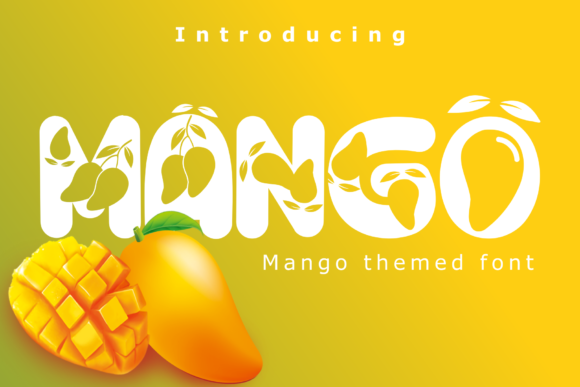
Mango: A Vibrant Font for Modern Design
Every designer knows the moment a project needs a spark of energy—a visual element that captures attention and conveys warmth. This is precisely where a resource like Mango, a bold and colorful display font, becomes invaluable. Its friendly, approachable character makes it incredibly versatile, allowing it to elevate a wide range of creative contexts and help your ideas stand out with undeniable presence.
Understanding the Power of a Display Typeface
In the landscape of graphic design and visual communication, typography is a foundational pillar. While body text fonts prioritize readability at small sizes, display typefaces like Mango are engineered for impact. They are the workhorses of headlines, logos, and any element that needs to make an immediate, memorable statement. The right display font doesn't just present words; it injects personality, sets a tone, and guides the viewer's emotional response.
Mango's design philosophy centers on boldness and color-friendliness. This means it's crafted to hold its own against vibrant backgrounds and complex imagery, ensuring legibility while contributing to a dynamic color palette. Its rounded, friendly forms avoid the harshness some bold fonts can carry, making it suitable for brands that want to project approachability and modern energy.
Practical Applications Across Creative Projects
The true test of any creative asset is its utility. Mango's versatile nature allows it to adapt to numerous professional scenarios, enhancing both aesthetics and communication. Here are key areas where it can transform your work:
- Branding and Logo Design: A logo is the cornerstone of a brand identity. Mango can create logos that are instantly recognizable, conveying a brand's core values—whether it's playful, innovative, or confidently modern—right from the first glance.
- Marketing Materials & Advertising: From digital ads to printed brochures, Mango ensures your key messages are impossible to ignore. Its clarity at various scales makes it perfect for print design and digital marketing campaigns.
- Social Media Graphics: In the fast-scrolling world of social platforms, you have milliseconds to capture interest. Using Mango for headlines in your social media graphics can significantly boost engagement and shareability.
- Website and UI Design: While body text requires careful legibility, using a bold font like Mango for hero sections, call-to-action buttons, or important navigational labels can dramatically improve the visual hierarchy and user experience (UX) of a site.
- Packaging Design: On a crowded shelf, product packaging must tell a story quickly. Mango can help your product name and key benefits pop, communicating quality and style effectively in packaging design.
- Editorial Layouts and Presentations: Break the monotony of text-heavy documents. Use Mango for chapter titles, pull quotes, or presentation slide headers to guide the reader's eye and add professional polish.
Integrating a Font Like Mango into Your Design Workflow
Adopting a new typeface requires more than just liking its style. To ensure it enhances your projects, consider these practical design tips:
- Evaluate for Context: Does the font's personality align with your client's brand voice and the project's goals? A playful font might suit a children's brand but could undermine a luxury financial service.
- Test for Readability and Scalability: Check how the font renders at very large and very small sizes. Ensure it remains legible in the contexts you plan to use it, from a billboard headline to a small icon label.
- Consider Compatibility: How will Mango interact with your existing color palette, imagery, and other typefaces? Pair it with a simpler, neutral font for body text to create a balanced and professional visual hierarchy.
- Think About Audience: Your design choices should resonate with your target audience. Mango's friendly boldness might appeal to a younger demographic or a brand in the creative, tech, or lifestyle sectors.
Ultimately, the choice of typography is a strategic decision in visual design. A resource like Mango is more than just a set of letters; it's a tool for building brand identity, enhancing user experience, and executing creative vision with confidence. By thoughtfully integrating such assets into your design workflow, you invest in the quality and effectiveness of your visual communication, ensuring every project not only looks exceptional but also connects with its intended audience on a deeper level.